Comparing Nutritional Outcomes Between Home and Restaurant Meals
Published: February 2026
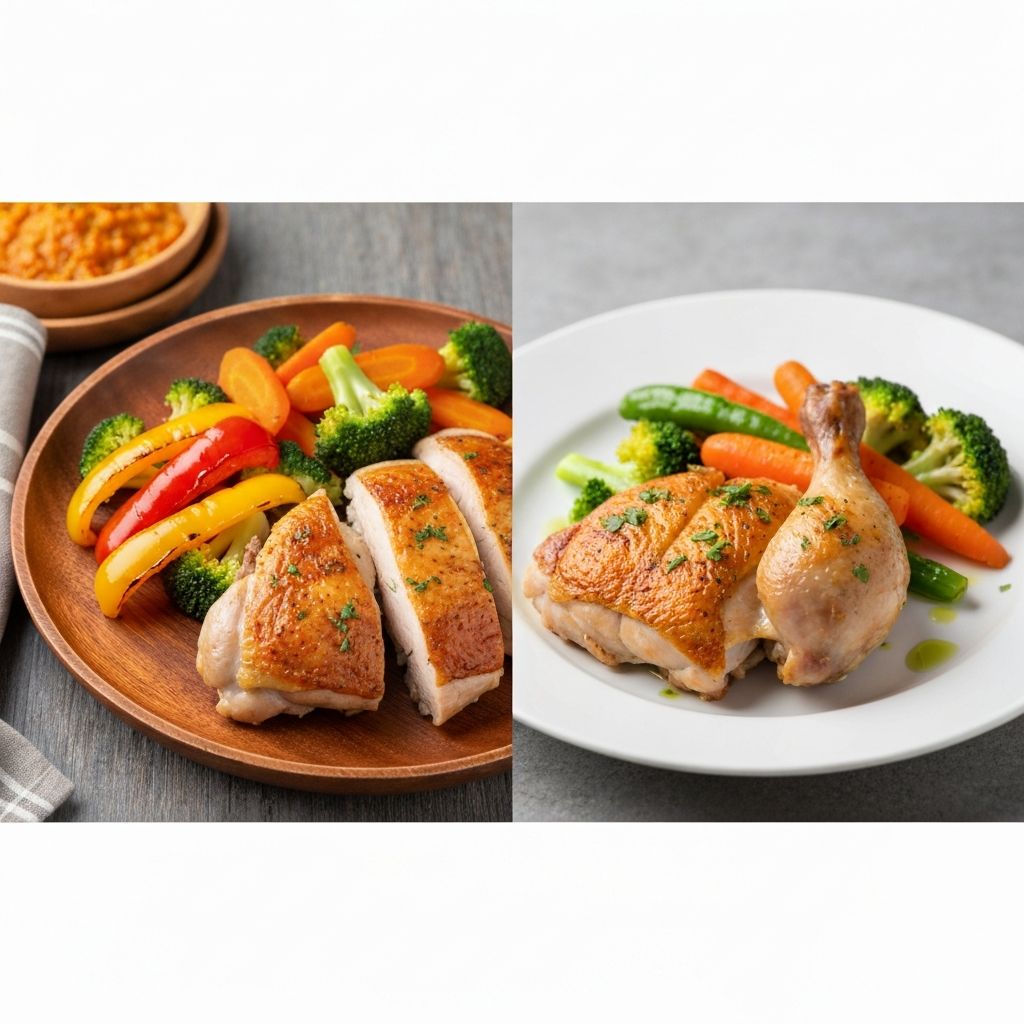
Introduction to Nutritional Comparison
The nutritional characteristics of meals prepared at home versus those consumed in restaurants have been subjects of research interest. This article explores general patterns and considerations related to this comparison from an educational perspective.
It is important to note that both home-cooked and restaurant meals encompass enormous variety. Generalisations must be understood within this context of diversity.
Research Observations on Caloric Content
Studies examining meal composition have documented certain patterns in average caloric content between home-prepared and restaurant meals:
Research indicates that restaurant meals, on average, tend to contain more calories than typical home-prepared meals. This difference is attributed to factors including larger portion sizes, increased use of cooking fats and oils, and different ingredient proportions.
However, these are statistical averages with considerable variation. Some home-cooked meals may be calorie-dense, whilst some restaurant options may be relatively lower in calories. The specific choices made in each context determine the actual outcome.
Sodium Content Patterns
Sodium content represents another area where general patterns have been observed:
Commercial food preparation often involves higher sodium levels compared to home cooking. This relates to flavour enhancement practices, preservation methods, and standardised seasoning protocols in professional kitchens.
Home cooking allows direct control over salt addition, potentially resulting in lower sodium content when individuals choose to limit salt use. However, home-cooked meals using pre-processed ingredients or generous salt additions may also contain substantial sodium.
Fat Content and Composition
The type and quantity of fats used in meal preparation vary between home and restaurant contexts:
Restaurant cooking frequently involves generous use of butter, oils, and other fats to achieve desired flavour profiles and textures. Professional cooking techniques often incorporate fats for sautéing, finishing, and flavour enhancement.
Home cooking provides flexibility in fat selection and quantity. Individuals can choose specific oil types, reduce fat quantities, or use alternative cooking methods that require less added fat. However, home-cooked meals can also be high in fat depending on recipes and preparation choices.
Vegetable and Fibre Content
The proportion of vegetables and fibre-containing foods varies considerably in both settings:
Home cooking can facilitate higher vegetable inclusion when individuals prioritise vegetables in meal planning and preparation. Direct control over ingredient ratios allows for adjustment of vegetable quantities.
Restaurant meals vary widely in vegetable content depending on cuisine type, menu category, and specific dish selection. Some restaurant options emphasise vegetables, whilst others include minimal vegetable components. Side dish choices significantly influence total vegetable consumption when eating out.
Ingredient Quality and Processing
The processing level of ingredients differs based on operational factors in each setting:
Home cooks can select whole, minimally processed ingredients if desired, though home cooking also commonly incorporates convenience products and pre-processed items.
Restaurants use varying combinations of fresh, frozen, and pre-prepared ingredients depending on the establishment type, price point, and operational model. Higher-end establishments often emphasise fresh ingredient preparation, whilst efficiency-focused venues may rely more heavily on pre-processed components.
Portion Size Implications
Portion size significantly influences nutritional intake regardless of meal source:
Restaurant portion sizes have increased over recent decades in many regions, with some establishments serving portions considerably larger than standard nutritional references. Large portions contribute to increased caloric intake when meals are fully consumed.
Home portion sizes are self-determined and vary based on individual hunger, habits, and serving practices. The flexibility of home portioning allows for adjustment but does not automatically result in smaller or larger portions compared to restaurants.
Meal Frequency Patterns
The frequency of home versus restaurant meals varies widely among individuals based on lifestyle, economics, and personal preferences:
Some people cook most meals at home with occasional restaurant visits. Others eat out frequently as a regular pattern. Many individuals maintain mixed patterns with both home-cooked and restaurant meals forming part of their regular eating.
The overall nutritional impact relates to the cumulative pattern rather than individual meal instances. Regular consumption patterns, regardless of meal source, shape nutritional outcomes over time.
Nutritional Awareness and Information
Access to nutritional information differs between settings:
Home cooking provides direct awareness of all ingredients used. Individuals can track quantities and calculate nutritional values if desired, though many home cooks do not engage in detailed nutritional tracking.
Restaurant nutritional information availability varies. Some establishments provide detailed data, whilst others offer no nutritional information. This affects the ability to make nutrition-informed choices when eating out.
Customisation and Adaptation
The capacity to modify meals differs between home and restaurant contexts:
Home cooking allows unlimited adjustment of ingredients, cooking methods, and portions. Recipes can be modified freely to accommodate preferences or nutritional goals.
Restaurant customisation is possible within the constraints of kitchen operations and menu structure. Some modifications are readily accommodated, whilst others may be impractical or unavailable.
Cost Considerations
Economic factors influence meal source choices and, indirectly, nutritional patterns:
Home cooking generally costs less per meal than restaurant dining, though this involves time investment for shopping, preparation, and cleaning. The economic advantage of home cooking varies based on ingredient choices and cooking efficiency.
Restaurant meals include labour, overhead, and service costs. Price ranges vary enormously between establishment types. Economic factors may influence the frequency of restaurant dining and the types of establishments chosen.
Individual Variation and Context
Nutritional outcomes depend fundamentally on specific choices made within each meal source:
A home-cooked meal heavy in fried foods, refined grains, and added sugars will differ nutritionally from a restaurant meal emphasising grilled proteins, vegetables, and whole grains, despite the source difference.
Neither meal source is inherently superior or inferior from a nutritional standpoint. The determining factors are the specific foods chosen, preparation methods used, and quantities consumed.
Balanced Perspective
Both home cooking and restaurant dining can support varied and balanced eating patterns when attention is given to food selection, portion awareness, and overall dietary patterns.
The nutritional quality of any meal depends on its specific composition rather than its preparation location. Individuals who prioritise balanced nutrition can make appropriate choices in both home and restaurant settings.
Educational Context
This article provides general educational information comparing meal preparation contexts. It does not constitute personal nutritional advice or recommendations.
Individual nutritional needs, preferences, and circumstances vary considerably. The information presented here is intended to explain general concepts and research observations, not to guide individual food choices.
Readers are encouraged to make decisions about meal sources and food choices based on their own circumstances, preferences, and judgment.