Understanding Your Nutritional Choices

Explore the differences between home-cooked meals and eating out

Learn more

Introduction to Home vs. Out-of-Home Eating

Food choices form a significant part of daily life. Whether meals are prepared at home or consumed in restaurants and cafes, each approach presents different considerations related to ingredient selection, preparation methods, and nutritional composition.

This educational resource explores the general characteristics of home-based and out-of-home eating patterns. The information provided is intended to explain concepts, not to offer personal advice or recommendations.

People organise their meals in diverse ways based on individual circumstances, preferences, and lifestyles. Understanding the basic differences between these approaches can provide context for general nutritional awareness.
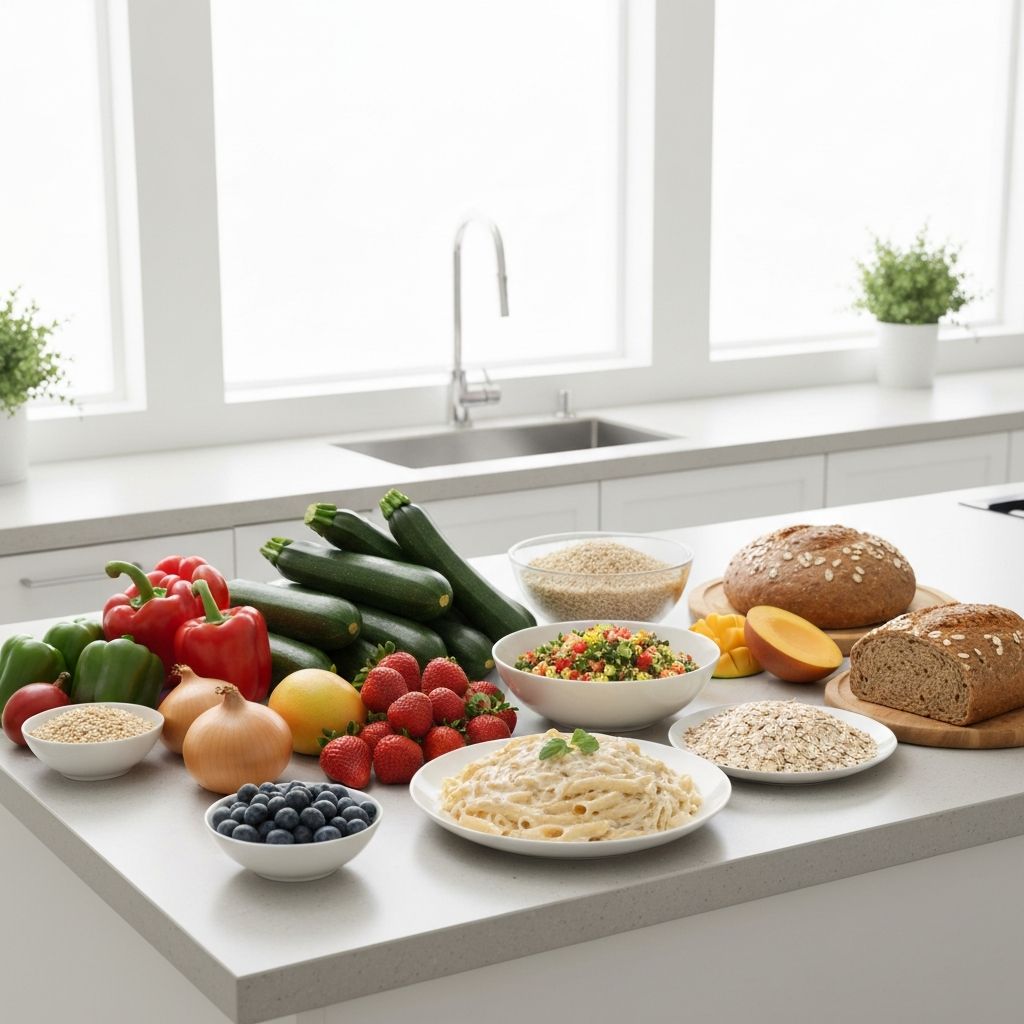
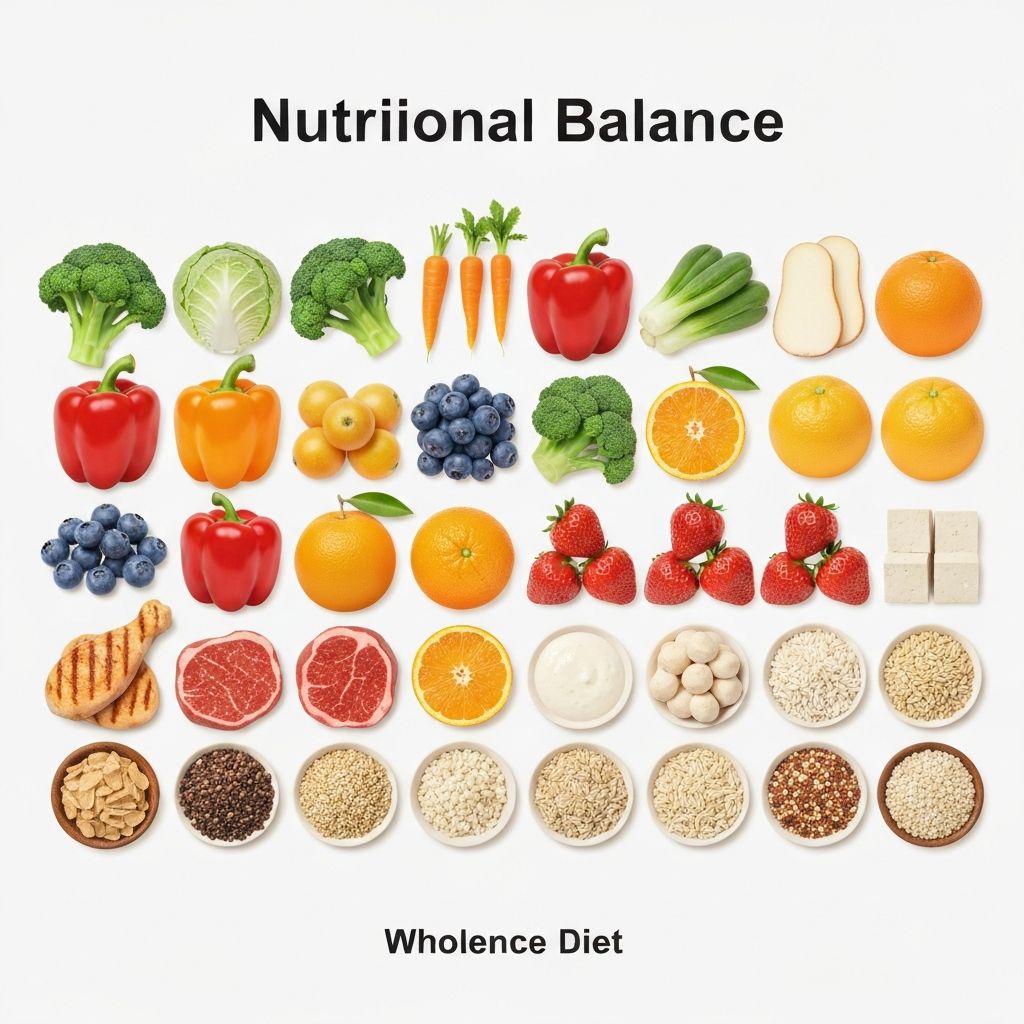
Introduction to meal choices

Nutritional Differences and Considerations

Home-prepared meals typically allow for direct control over ingredients, portion sizes, and cooking methods. Individuals can select specific vegetables, proteins, grains, and fats according to their preferences.

Eating out often involves meals prepared by professionals using standardised recipes. Restaurant meals may include ingredients and preparation techniques that differ from home cooking, including varying amounts of oils, seasonings, and portion sizes.

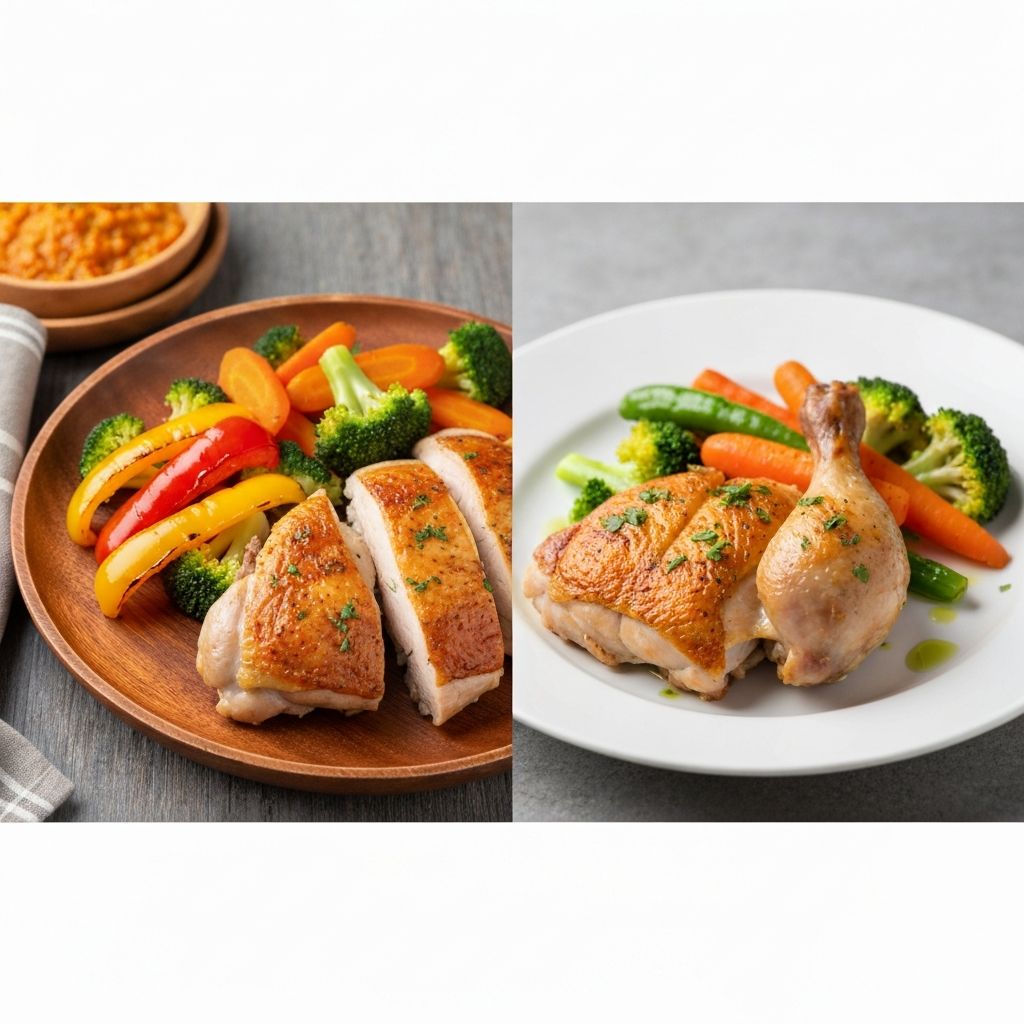
Both approaches can support balanced nutrition when attention is given to food variety, portion awareness, and ingredient quality. The nutritional outcome depends on the specific choices made in each context.

Nutritional considerations

Examples of Meals Prepared at Home

Home cooking encompasses a wide range of meal types and complexity levels. Common examples include:

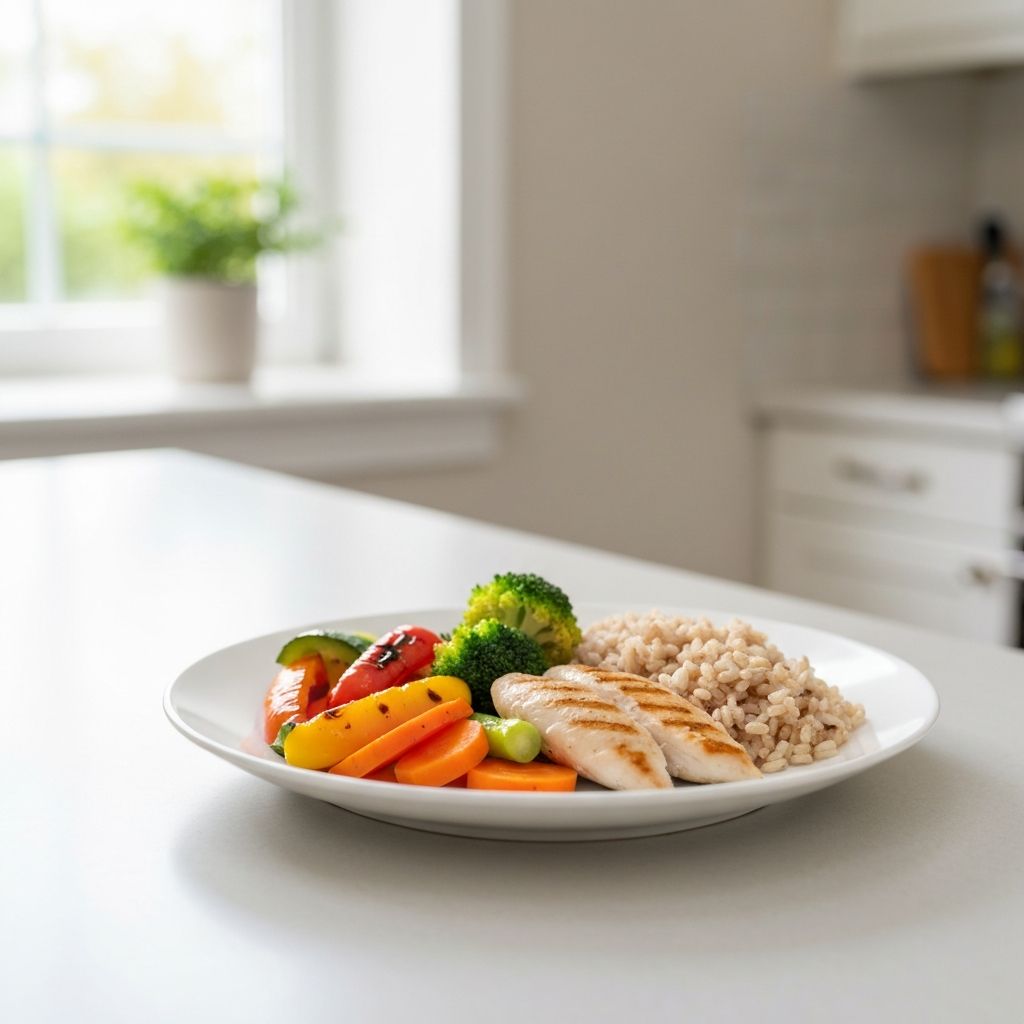
  • Grilled chicken with steamed vegetables and quinoa
  • Pasta with homemade tomato sauce and fresh herbs
  • Stir-fried vegetables with tofu and brown rice
  • Baked fish with roasted root vegetables
  • Salads with mixed greens, legumes, and olive oil dressing

These meals can be adjusted according to ingredient availability, cooking skill, and time constraints. The preparation environment allows for experimentation and modification.

Home-cooked meal example

Examples of Meals When Eating Out

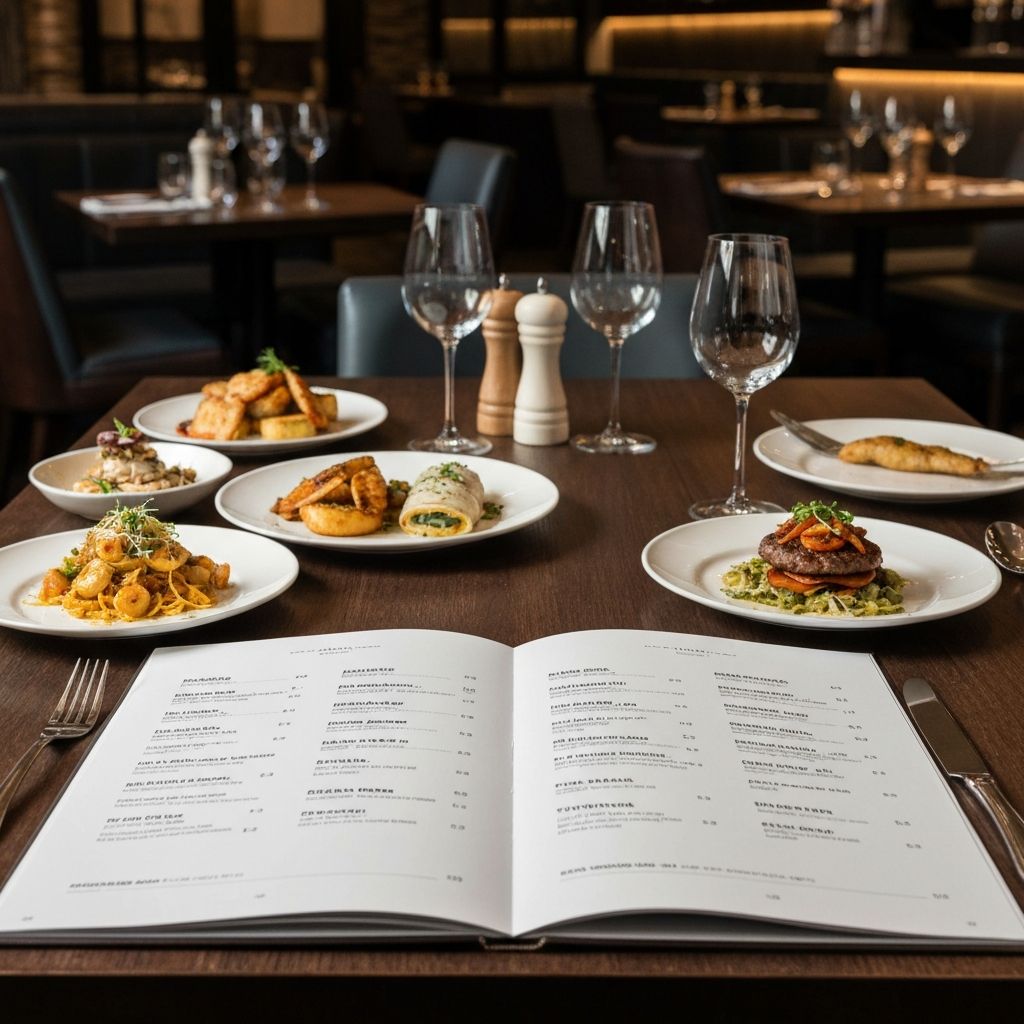
Restaurant and cafe meals vary significantly depending on cuisine type, establishment style, and menu offerings. Common examples include:

  • Restaurant salads with grilled proteins
  • Grain bowls with mixed vegetables and dressings
  • Sandwiches or wraps with various fillings
  • Main course dishes with accompaniments
  • International cuisine options with diverse ingredients

Eating out provides exposure to different cooking styles and ingredient combinations. The nutritional profile varies based on establishment practices and menu selection.

Eating out meal example

Explore Further

Preparing balanced meals at home

Preparing Balanced Meals at Home

Explore the principles of home meal preparation and ingredient selection.

Read in detail
Understanding food choices when eating out

Understanding Food Choices When Eating Out

Learn about factors that influence meal composition in restaurants.

Read in detail
Comparing nutritional outcomes

Comparing Nutritional Outcomes

Examine the nutritional aspects of home versus restaurant meals.

Read in detail

Frequently Asked Questions

What is the purpose of this website?

This website provides educational information about the general differences between home-cooked meals and eating out. It is designed to explain concepts related to food preparation and nutritional considerations, not to provide personal advice.

Does this site offer diet plans or meal recommendations?

No. This site presents informational content only. It does not provide personalised diet plans, meal recommendations, or advice tailored to individual circumstances.

Can I use this information to make dietary decisions?

The content here is educational and intended to explain general concepts. Dietary decisions should be based on individual needs and circumstances. This site does not replace professional consultation or personal judgment.

Is home cooking always more nutritious than eating out?

Nutritional outcomes depend on many factors including ingredient selection, preparation methods, portion sizes, and overall dietary patterns. Both home cooking and eating out can support balanced nutrition depending on the specific choices made.

Who created this educational resource?

NutriCompare is an independent educational platform focused on providing informational content about food preparation and nutritional awareness. More details are available on our About page.

Educational Content Only

This resource provides general information about meal preparation and nutritional concepts. It does not offer medical services, personal advice, or promises of specific outcomes.

Explore further

Limitations and Context

The information presented on this website is educational in nature and describes general concepts related to food preparation and nutrition.

This content does not constitute individual recommendations or advice. Dietary approaches vary widely among individuals based on personal circumstances, preferences, and needs.

Readers are encouraged to consider multiple sources of information and to make decisions based on their own judgment and circumstances.

This website does not replace professional consultation or personalised guidance.